RescueSight
AI-powered emergency response prototype for smart glasses - pairing a voice agent with computer vision to guide bystanders through CPR.
Problem
If someone suddenly collapses in front of you, the first few minutes are critical.
Immediate CPR can dramatically increase the chances of survival, yet many bystanders hesitate because they're unsure what to do.
System design & approach
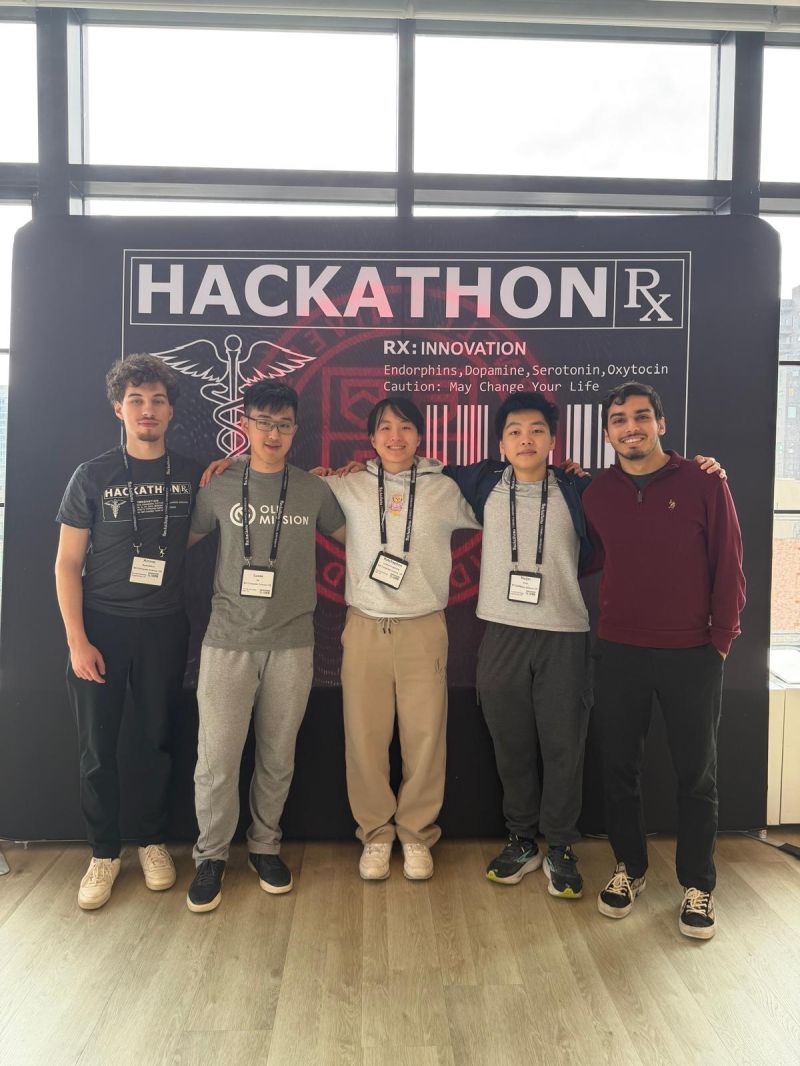
This was built over a weekend at the Cornell AI Health Hackathon, with Lucas He, Ratchaphon Lertdamrongwong, and Naijei Jiang, exploring how AI could help bridge that gap. We built RescueSight, a prototype AI-powered emergency response system designed for smart glasses.
The idea was to combine two things happening at the same time:
- A voice agent that asks simple questions to assess the situation and guides the bystander step by step
- A computer vision model analyzing the scene for visual cues, like detecting hand placement during CPR
By combining the user's responses with the visual context from the camera, the system can identify the situation and activate the appropriate response protocol.
A live view for responders
As the interaction unfolds, the system logs the protocol state, CV signals, and the conversation timeline into a live dashboard. That creates a real-time view of the situation and generates a structured summary meant to help emergency responders quickly understand what's happening on scene.
My role
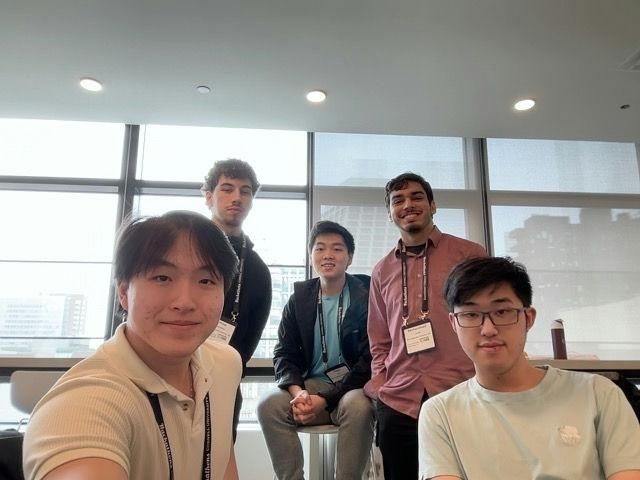
Built as a five-person team over a single hackathon weekend at the Cornell AI Health Hackathon, with Lucas He, Ratchaphon Lertdamrongwong, and Naijei Jiang. Like most hackathon builds, the work moved fast and roles blurred rather than splitting cleanly by feature - late-night debugging sessions included.
Retrospective
It was a great experience building something at the intersection of AI, computer vision, and real-time systems, all aimed at helping people take action in those critical first minutes.
Curious to keep exploring where AI and computer vision can be applied in situations where they can genuinely make a difference.
- Voice AI
- Computer Vision
- Real-time systems